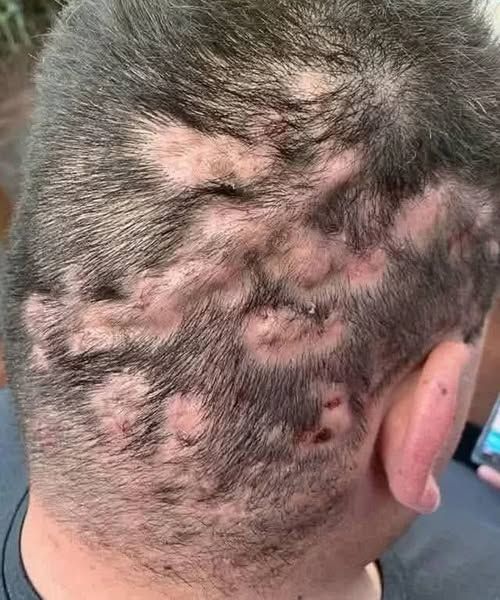
So many of us — especially older adults — downplay symptoms to avoid worrying our families or feeling like a burden.
But your health matters. You matter.
That strange pain, that fainting spell, that moment when your speech slurs — it’s your body asking for help. And the earlier you respond, the better your outcome.
2. Seek medical help — immediately if it’s severe.
Don’t wait until morning if something feels “off” tonight.
Call your doctor or go to urgent care. In emergency situations like chest pain or stroke symptoms, call 911 immediately.
3. Keep a health journal.
If something unusual happens — especially if it’s not serious enough for the ER — write it down:
- What did you feel?
- When did it happen?
- What were you doing before and after?
- How long did it last?
Bringing notes to your doctor can make diagnosis easier — and ensure you’re not forgetting small but important details.
4. Avoid self-medicating.
It’s tempting to reach for an over-the-counter pill, especially if you think it’s “just indigestion” or “just a headache.” But certain medications can make symptoms worse — or hide them when a diagnosis is critical.
Always consult a healthcare provider before treating a new or unusual symptom on your own.
Your Body is Talking — Are You Listening?
As we grow older, it becomes clearer that health isn’t something to be taken for granted. And when trouble starts brewing beneath the surface, the body usually sends a signal.
Sometimes it’s subtle. Sometimes it’s sudden. But it’s always worth noticing.
If something doesn’t feel right — even if it seems small — pay attention. Tell your doctor. Get it checked.
Because the best time to treat a crisis… is before it becomes one.
Cherish your health, trust your instincts, and never apologize for being proactive. After all, your best days are still ahead — and you deserve to meet them with strength and peace of mind.
